
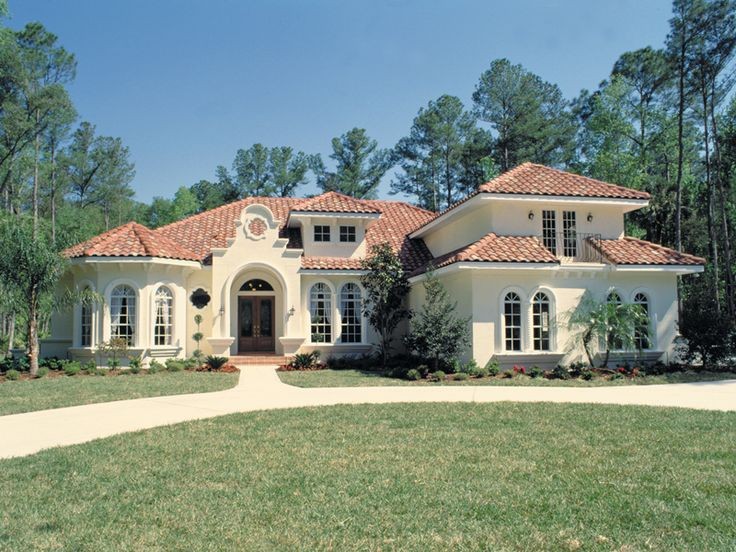

Florida homeowners face a reality that their counterparts in milder climates don’t: everything degrades faster here. The same UV radiation that gives us 244 sunny days a year also breaks down paint films at an accelerated rate. The humidity that makes summer evenings feel tropical also feeds the mildew and algae that stain and penetrate exterior coatings. The afternoon thunderstorms that keep our lawns green also drive moisture into every crack and crevice in our home’s exterior. Understanding how these forces affect paint longevity helps you plan maintenance proactively rather than reactively — and proactive maintenance is always less expensive than emergency repairs.
Exterior Repaint Intervals in Florida
Stucco Homes: 7 to 10 Years
Stucco is the most common exterior finish on Tampa Bay homes, and with proper preparation and premium products, a professional stucco paint job should last 7 to 10 years before a full repaint is needed. This assumes the initial paint job was done correctly with thorough surface preparation, premium 100% acrylic latex paint, and two full coats at proper thickness. Homes that were painted with contractor-grade or economy products, or where preparation was rushed, may need repainting as early as 4 to 5 years.
Several factors can shorten or extend this timeline. South- and west-facing walls receive the most UV exposure and typically show fading and chalking first, sometimes 1 to 2 years ahead of north- and east-facing walls. Homes near the coast or bay experience salt air exposure that accelerates coating degradation. Homes with significant shade from trees may experience faster mildew growth but slower UV fading. And homes in newer communities with lighter-colored stucco and reflective finishes may maintain their appearance longer than older homes with darker colors that absorb more heat and UV.
Wood-Sided Homes: 5 to 7 Years
Wood siding, whether original to the home or installed as an accent or replacement material, typically needs repainting every 5 to 7 years in Tampa’s climate. Wood is more susceptible to moisture damage than stucco, and the expansion and contraction of wood in Florida’s heat and humidity cycles puts more stress on the paint film. Proper preparation — including scraping, sanding, priming, and caulking — is essential to maximizing the lifespan of paint on wood surfaces.
HardiePlank and Fiber Cement: 10 to 15 Years
Fiber cement products like HardiePlank are among the most durable exterior substrates available, and they hold paint exceptionally well. With premium products and proper preparation, paint on HardiePlank can last 10 to 15 years in Tampa’s climate. The substrate itself doesn’t expand and contract as much as wood, and it’s resistant to moisture absorption and biological attack, which contributes to longer paint life.
Interior Repaint Intervals
Interior paint is shielded from the UV, moisture, and biological forces that attack exterior coatings, so it lasts significantly longer. In most Tampa homes, interior paint in low-traffic areas like bedrooms, dining rooms, and formal living spaces can last 7 to 10 years or more before it starts looking tired.
High-traffic areas tell a different story. Hallways, children’s bedrooms, family rooms, kitchens, and bathrooms accumulate scuffs, fingerprints, stains, and general wear much faster, and these spaces may benefit from repainting every 3 to 5 years. Using higher-sheen finishes (satin or semi-gloss) and premium washable paints in high-traffic areas helps extend the time between repaints because these finishes can be cleaned without damaging the paint film.
Signs Your Tampa Home Needs Repainting
Exterior Warning Signs
Your home will tell you when it’s time to repaint if you know what to look for. Chalking is one of the earliest signs — run your hand across the exterior surface, and if it comes away with a white, powdery residue, the paint’s binder is breaking down from UV exposure. Fading, particularly noticeable when comparing sun-exposed walls to shaded areas, indicates the pigments are degrading. Cracks in the paint film — not just in the stucco beneath it — show that the coating has lost flexibility. Peeling, bubbling, or blistering indicate adhesion failure, often caused by moisture trapped behind the film. And mildew growth that returns quickly after cleaning suggests the paint’s mildewcide has been depleted.
Interior Warning Signs
Interior paint shows its age more subtly. Fading around windows where sunlight enters, yellowing on white or light-colored walls (especially in kitchens and bathrooms where heat and humidity are elevated), scuffs and marks that no longer clean off with a damp cloth, and an overall dull or dingy appearance that makes rooms feel darker and less inviting are all indicators that it’s time to refresh.
How to Extend Your Paint’s Lifespan in Florida
There are several steps Tampa homeowners can take to maximize the time between repaints. For exteriors, schedule professional pressure washing every 12 to 18 months to remove mildew and algae before they damage the paint film. Keep landscaping trimmed away from exterior walls to promote airflow and reduce shade that encourages mildew growth. Maintain caulking around windows and doors — cracked or missing caulk allows moisture behind the paint, causing failure from the inside out. Address stucco cracks promptly before they allow moisture intrusion. And always use premium paint products with UV inhibitors and mildewcides when it’s time to repaint.
For interiors, use appropriate finishes for each room’s function — semi-gloss in kitchens and bathrooms, satin or eggshell in living areas. Clean scuffs and marks promptly with a damp cloth before they set permanently. Maintain consistent humidity levels with your HVAC system to reduce the moisture cycling that can stress interior paint films. And keep touch-up paint for minor repairs that prevent small damage from spreading.
Plan Your Next Painting Project
Not sure if your Tampa home is due for repainting? Contact Enos Executive Painting at (813) 907-5444 for a free assessment. We’ll evaluate your home’s current condition and give you an honest recommendation on timing.